
SAVC and AVNAT Approved Course
This flexi CPD course is aimed at vet nurses and vet technicians in general practice and is available on-demand with unlimited lifetime access. Each module consists of a tutorial, quiz and further reading articles
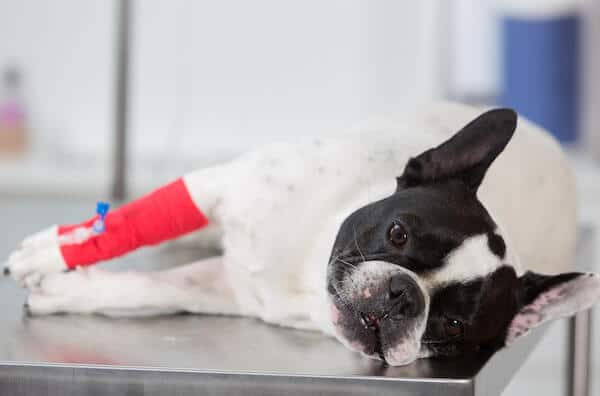
Brachycephalic breeds have seen a huge surge in popularity in recent years, and we are now nursing these patients on a daily basis. These patients come with a whole host of breed specific problems, directly related to their anatomy, and this course aims to comprehensively cover all aspect of nursing brachycephalics in general practice, including anaesthesia, medicine, surgery, critical care and our vitally important role in client education.
Learning objectives
After completion of this module, participants should be able to:
Learning objectives
After completion of this module, participants should be able to:
Learning objectives
After completion of this module, participants should be able to:
Learning objectives
After completion of this module, participants should be able to:
Learning objectives
After completion of this module, participants should be able to:
Learning objectives
After completion of this module, participants should be able to:
Learning objectives
After completion of this week, participants should be able to:
Learning objectives
After completion of this module, participants should be able to:
Please note: In modules 6 and 7 you will not be taught how to personally conduct any of the surgical techniques, as this is outside the remit of veterinary nursing in general practice
The course will be available immediately following purchase, with unlimited lifetime access and will provide a total of:
15 hours of CPD (UK)
15 points (Australia and New Zealand)
15 points (South Africa - SAVC Accreditation Number AC/2778/25)
Release date: Sept 2025

Lydia Christie Woodend Smith RVN
Soft Tissue Surgery Specialist Nurse, University of Cambridge
Lydia qualified as a veterinary nurse in 2014, having trained in a busy, independent, first opinion practice. She subsequently took a position working in the theatre team of a specialist referral hospital, where she gained further experience in the management of surgical patients. Lydia later returned to general practice as a head nurse – during this time she developed a keen interest in the welfare of companion animals, specifically of brachycephalic breeds, and the importance of client education to promote this. In 2019 Lydia became the Soft Tissue Specialist nurse and BOAS assessor for the Queen’s Veterinary School Hospital, Cambridge. Through this role Lydia assesses brachycephalic patients for BOAS, co-ordinates the clinical research performed and runs the Cambridge BOAS Research Group social media pages which have been specifically created to educate vets, nurses, owners and breeders about brachycephaly and BOAS. Lydia also works very closely with the specialist surgeons, nursing teams, veterinary students and owners to ensure every patient undergoing BOAS treatment has the smoothest possible transition between admission and discharge from the hospital.

Katy Gray PGCert VE, DipAVN, RVN, FHEA, MNCS
The Ralph Veterinary Referral Hospital
After registering as an RVN in 2012, Katie worked as both a surgery nurse and then an emergency and critical care nurse at the Royal Veterinary College referral hospital, where she spent 6 years as a senior ECC nurse. During her time there, she completed the Advanced Nursing Diploma, a Post Graduate Certificate in Veterinary Education, and the Blue Cross Bereavement Certificate. Katie regularly lectures for VNs, both in the UK and internationally; and has written a few articles, including her own research into sepsis recognition. Since 2019, Katie has been working towards the Advanced Diploma in Psychotherapeutic Counselling, and in Spring 2022 started working in a supportive role at The Ralph Veterinary Referral Hospital. Outside of work Katie volunteers for StreetVet, and she is on the Veterinary Critical Care Nurse Committee which is part of the British Association of Critical Care Nurses.
Lisa Angell VTS (anaesthesia and analgesia), PgCert Vet Ed, FHEA, RVN
Head Anaesthesia Nurse, Royal Veterinary College
Lisa qualified as a veterinary nurse in 2007 and joined the Queen Mother Hospital for Animals at the Royal Veterinary College as a dedicated anaesthesia nurse in January 2010 following 7 years in general practice. Lisa became head anaesthesia nurse in 2013. In 2012, Lisa became board certified as a Veterinary Technician Specialist in anaesthesia and analgesia, and in 2020, Lisa graduated with a post graduate certificate in Veterinary Education. Lisa enjoys all aspects of anaesthesia but has a particular interest in locoregional analgesia techniques.

Alison Young DipAVN (Surgical), VTS (Surgery) RVN
Head Surgery Nurse, Royal Veterinary College
Alison qualified as a veterinary nurse whilst working at a small practice in Hertfordshire. She joined the Queen Mother Hospital in 2001 as a general surgery nurse and worked rotating through all areas of the hospital. In 2003 she joined the theatre nursing team and studied for the Diploma in Advanced Veterinary Nursing (Surgical) where she gained the highest marks for that year. Alison gained the VTS (Surgery) in 2015 and is Head Theatre Nurse at the Royal Veterinary College

Sian Woodham-Davies RVN
Ophthalmology Nurse, Royal Veterinary College
Sian qualified as a veterinary nurse in 2012 and after having spent some time in small practices she joined the Queen Mother Hospital for Animals in 2014. Sian is working in the Ophthalmology department and has a passion for nursing these cases. Sian is currently working towards her VTS in Ophthalmology and enjoys sharing her knowledge with fellow veterinary nurses as she feels it is a subject that is not widely covered in the nursing curriculum.
This online course is worth 15 hours of CPD.
A certificate will be available from the ‘My Courses’ section, for you to download and print, once you have completed the course. A permanent record of your total CPD hours will also be recorded in your account section.
The Australian Veterinary Nurse and Technician (AVNAT) Regulatory Council has allocated 15 AVNAT CPD points to this continuing education activity.
This course is also recognised by the New Zealand Veterinary Nursing Association (NZVNA) as providing 15 CPD points.
The South African Veterinary Council (SAVC) has allocated 15 CPD points to this continuing education activity. Accreditation Number AC/2778/25)
Upon purchase you will be immediately registered to attend the course, with unlimited lifetime access. The course will consist of four modules, where each module provides two hours of CPD, in the form of a tutorial, a quiz and also a selection of further reading journals, articles or book chapters.
The course is completely flexible, where all the learning resources are provided immediately – it is designed for you to complete one module per week, but it is completely up to you, how and when you decide to complete the course. You have unlimited lifetime access to all the supportive learning materials, and once you have completed the whole course, a certificate will be automatically generated.
Looking for some further information? – please have a look at our Flexi Online CPD Courses – PDF Guide
This course has been listed as ‘Intermediate’ level
All of our courses are aimed at veterinary nurses in general practice, but everyone who works in the veterinary profession is very welcome to attend, whether you are a clinical receptionist, veterinary surgeon, student nurse or have been a qualified nurse for over 20 years!
The courses are not formally assessed for skill level, so the following CPD levels are just a rough guide to help you decide if a course may be more or less suitable:
Introduction
– maybe most suitable for qualified nurses in general practice approaching a new topic or looking for a refresher course
Intermediate
– maybe most suitable for qualified nurses in general practice along with referral / specialist nurses looking for a refresher course
Advanced
– maybe most suitable for referral / specialist nurses and highly experienced qualified nurses in general practice


Rachel S –
I feel like some areas of the course were still tailored more towards vets than nurses (i.e. different treatment options and surgical techniques) – which I understand is important for context but I feel like more time could be focussed on nursing care for the later modules
Rated: Intermediate level
(Qualified RVN in general practice <5 years - UK)
Olivia H –
Brilliant course for nurses with a passion for brachy nursing.
Rated: Intermediate level
(Qualified RVN in general practice >5 years – UK)
Hannah H –
This course was extremely informative. Each module was very interesting and the speakers were great at getting key information across. I would highly recommend. I would say this is one of the best online courses that I have completed. The modules are clearly set out and it is great to have the opportunity to complete the course on your own timing.
Rated: Introduction level
(Qualified RVN in general practice >5 years – UK)
Lucy D –
This is my second excel course- I have found it to be incredibly informative and have come away with lots ideas to implement in my nursing. I find these course really flexible to fit in around a busy work and home life.
Rated: Intermediate level
(Qualified RVN in general practice >5 years – UK)
Michaela W –
Good content, good ways of testing knowledge.
Rated: Intermediate level
(Referral or specialist RVN – UK)
Morgan J –
I really enjoyed this course, the course leaders were very helpful too. Would definitely recommend! The course was very in-depth and very interesting, I found myself excited each week for more work to be released.
Rated: Introduction / Intermediate / Advanced level
(Referral or specialist RVN – UK)
Sarah S –
This isn’t a topic I am highly engaged with however I found the course content good with some helpful tips
Rated: Intermediate level
(Qualified RVN in general practice >5 years – UK)
Isabelle A –
Very informative and useful course. Enjoyed the style of tutorials, forums and quizes for different learning types.
Rated: Introduction level
(Qualified RVN in general practice >5 years – UK)
Alix R –
very good material, lectures where easy to follow and had lots of information
Rated: Introduction level
(Qualified RVN in general practice <5 years - UK)